Polycythemia vera overview
 Fact-checked by
 What is PV?
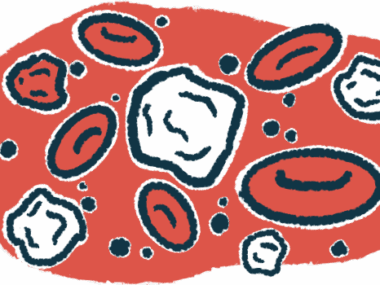
Polycythemia vera (PV) is a rare condition that causes certain blood cells to grow abnormally. While it primarily affects your red blood cells, the condition may also affect your white blood cells and platelets, the blood cell fragments that help your blood clot.
Because PV causes blood cells of the myeloid lineage to multiply excessively, doctors consider it a form of blood cancer called a myeloproliferative neoplasm.
How polycythemia vera affects the blood
PV causes your red blood cells to grow out of control. The red blood cells that are produced in people with PV are usually of normal size and color, although they can sometimes appear smaller than normal and less red under a microscope if you have an iron deficiency.
In addition to too many red blood cells, many people with PV have higher-than-normal levels of platelets and white blood cells. Having too many blood cells can make your blood thicker, or more viscous, than normal. Blood that is too thick may not flow well through small blood vessels, which can lead to circulation problems and an increased risk of blood clots.
Is PV a type of cancer?
Polycythemia is a type of blood cancer. However, it usually grows very slowly, so it is considered a chronic, or long-term, blood cancer. The genetic mutations that cause PV can develop years or even decades before the disease begins, and some people live with PV for years before developing symptoms.
In some cases, PV cancer can progress to more aggressive blood cancers, such as myelofibrosis, a condition marked by inflammation and scarring in the bone marrow, or leukemia, in which the bone marrow starts to produce too many immature blood cells.
These are relatively uncommon long-term complications. However, getting consistent treatment and regular blood tests can help your care team identify disease progression early so you can begin treatment promptly if it occurs.
Common symptoms of PV
Polycythemia vera symptoms can range from mild to severe, and many are caused by abnormally thick blood.
Symptoms may include:
- headaches
- dizziness
- vision changes
- fatigue
- redness and burning or tingling in your extremities
- itching, especially after contact with warm water
- abnormal bleeding and easy bruising
- enlargement of your spleen, which can cause abdominal pain
People with PV have a higher risk of blood clots, which can be life-threatening in some cases. Blood clots that form in an artery can lead to a heart attack or a stroke, while a clot that forms in the deep veins of the arms or legs may travel and become lodged in the lungs, causing a pulmonary embolism.
What causes PV?
PV develops due to certain genetic mutations that affect your blood stem cells, which produce new blood cells throughout your life to replace older or damaged blood cells. These cells are found in your bone marrow, the spongy tissue inside your bones where most blood cells are made.
In about 98% of cases, the cause of PV is a genetic mutation in the JAK2 gene, which contains the instructions for the JAK2 protein. This protein normally functions like a power switch, helping regulate when your blood-forming cells make new cells. However, the mutation causes the protein to act like a broken switch stuck in the “on” position, constantly signaling your bone marrow to produce new blood cells.
Researchers do not know exactly what causes JAK2 mutations, but certain risk factors may increase the likelihood of their occurrence. For example, some studies suggest PV is slightly more common in people who are white and of European ancestry. It also appears to affect men slightly more frequently than women.
The disease also tends to develop later in life, with a median age at diagnosis of 61 years, although about 10% of people with PV are diagnosed at 40 or younger. A family history of PV, smoking, and having certain cardiovascular conditions, such as diabetes and obesity, may also increase your risk of developing the condition.
How PV is diagnosed
PV can be difficult to diagnose because several blood disorders have similar features. To diagnose PV, your doctor may ask about your symptoms, medical history, and lifestyle habits to help rule out other conditions. They may also order blood tests to examine your blood cells.
If your doctor suspects PV based on those results, they may recommend additional blood tests or collect a bone marrow sample to examine your blood cells more closely and test for genetic mutations.
How PV is treated
The goals of PV treatment are to reduce your risk of abnormal blood clots and help manage your symptoms. Your treatment plan will depend on factors such as your age, medical history, and current symptoms.
Common treatments include:
- regularly removing blood (phlebotomy) to lower the number of blood cells in your body
- low-dose aspirin
- medications that reduce blood cell production
- medications to help control itching
- blood thinners to dissolve blood clots
- heart-healthy lifestyle changes, such as exercising regularly, quitting smoking, and maintaining a healthy weight
Your care team will consider your symptoms, risk factors, and preferences to develop a treatment plan tailored to your needs.
What is the outlook for people with PV?
There is currently no cure for PV, but many people can manage the disease well with treatment. Current estimates suggest that people with PV may live about 15 years after disease onset, but some recent studies have shown that some people who receive modern therapies may have a life expectancy that is similar to that of people without the condition.
Following your treatment plan and attending regular follow-up appointments may help lower your risk of serious blood clots and other complications while helping you better manage your symptoms.
Questions to ask your doctor about PV
Talking regularly with your healthcare team about your polycythemia vera symptoms and overall health can help you better understand your treatment options, manage your symptoms, and identify serious complications early.
You may want to ask questions such as:
- What treatment options do you recommend for me?
- What symptoms or changes in my symptoms should I watch for?
- What lifestyle changes or precautions should I take during treatment?
- How often will I need follow-up appointments or blood tests?
- Are there any clinical trials that may be a good option for me?
Although living with PV can present challenges, working closely with your healthcare team and staying informed can help you manage the condition and make decisions that support your long-term health.
Rare Cancer News is strictly a news and information website about the disease. It does not provide medical advice, diagnosis, or treatment. This content is not intended to be a substitute for professional medical advice, diagnosis, or treatment. Always seek the advice of your physician or other qualified health provider with any questions you may have regarding a medical condition. Never disregard professional medical advice or delay in seeking it because of something you have read on this website.