
Partners to collect real-world data to speed care for kids with AML
Blood Cancer United, Rally Foundation team up to aid research into treatments
Written by |
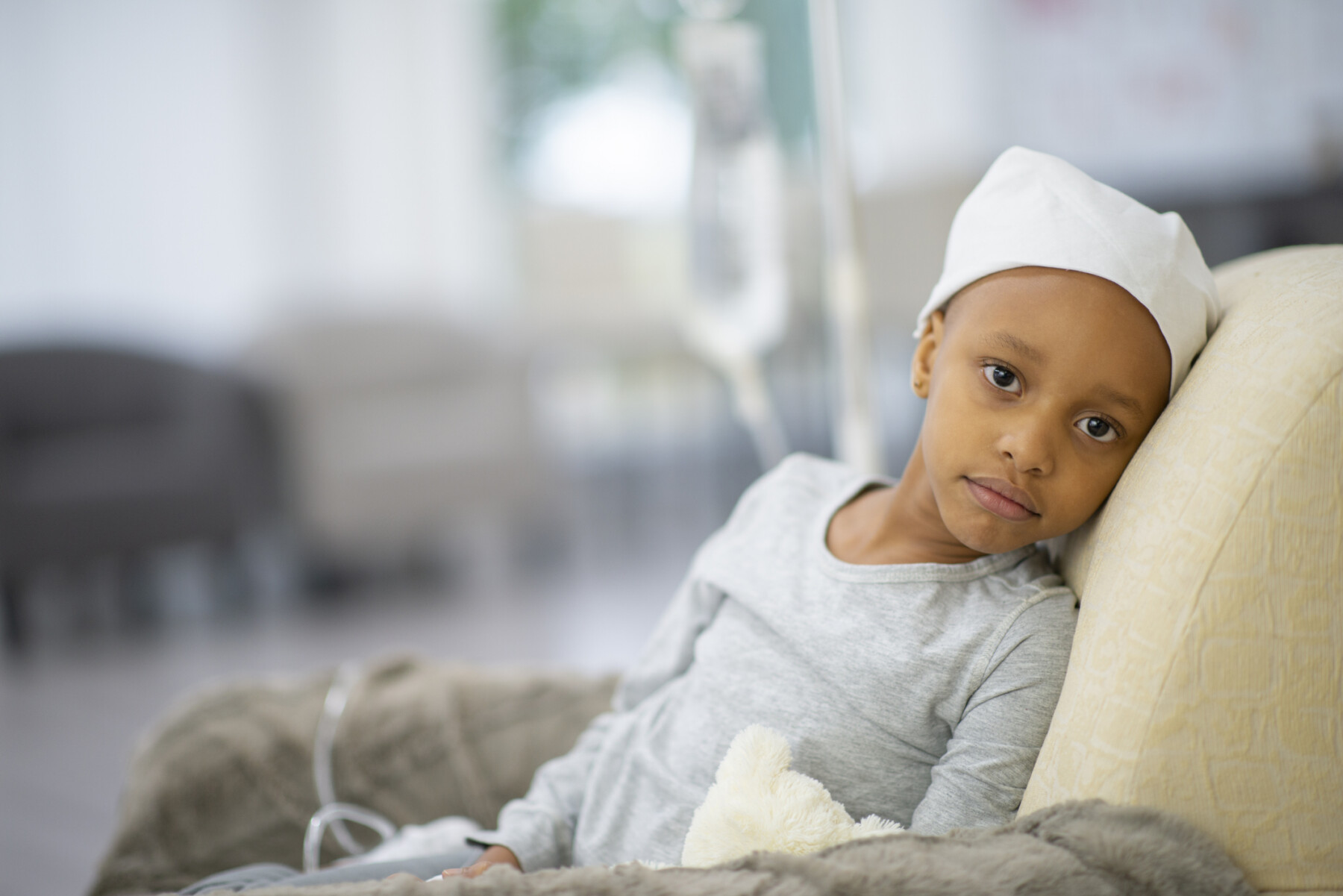
Blood Cancer United and the Rally Foundation for Childhood Cancer Research are teaming up on a data-collection initiative. (Photo by iStock)
A pair of advocacy groups have teamed up to collect real-world data to help improve care for children with acute myeloid leukemia (AML), a rare form of blood cancer.
Blood Cancer United and the Rally Foundation for Childhood Cancer Research started the Dare to Dream REALworld: AML initiative to bring in families who have kids with AML or have been affected by AML in the past, with the aim of collecting information about how AML develops and evolves. By better understanding the typical trajectory of the disease, researchers will be able to fine-tune clinical testing strategies, with the ultimate goal of creating new treatments.
It’s easy for families and pediatric AML survivors to enroll online, Ann Collins, vice president for clinical trials research at Blood Cancer United, told Rare Cancer News. “It takes about 15 minutes including sign up and informed consent,” Collins said.
The process asks families to “permit the transfer of their electronic health records and that information is very carefully guarded in terms of privacy,” Collins said. “It is anonymous and all personally identifiable information is removed. When it is used by any researchers, information is not attributable to a particular patient, and we limit the information shared to the questions posed by the research study.”
“For children with rare diseases like AML, time matters,” Gwen Nichols, M.D., chief medical officer of Blood Cancer United, said in a press release from the group. “Because patient populations are small, clinical trials can be difficult to conduct, and research can move more slowly than families can afford to wait. REALworld: AML gives children and families an opportunity to contribute directly to research while helping us build the evidence researchers need to design more efficient studies and advance better treatment options.”
Data will provide ‘huge contribution’
Collins said the data will likely “bring us new drugs and therapeutic options faster.” Several treatments are used off label in children with AML because, although they are approved for adults, there is insufficient data on their use in pediatric patients. Having access to data from children receiving these treatments would be “a huge contribution,” said Collins.
Dean Crowe, founder and CEO of the Rally Foundation for Childhood Cancer Research, added: “Families confronting pediatric AML urgently need research approaches designed around the realities of rare childhood cancers.”
“By building high-quality evidence from the experiences of children with AML, we have an opportunity to advance treatment development while creating a model that could ultimately benefit children facing other rare cancers,” Crowe said.
Alongside the two nonprofit organizations, the REALworld: AML project is also supported by the tech company Tempus, which is giving participants access to its personal health concierge app, Olivia.
“The promise of Olivia is to ensure every patient receives the full benefit of what medicine offers, while also accelerating scientific discovery to improve those benefits,” said Chris Scotto DiVetta, senior vice president of Olivia at Tempus. “Olivia puts meaningful health and educational resources directly into the hands of families, while creating new opportunities for them to play an active role in advancing pediatric AML research.”
Among the first to participate is Abby Breyfogle, whose twin daughters, Kenedi and Kendal, were diagnosed with AML as babies. Both underwent treatment and went into remission, but Kendal’s cancer relapsed and she died in 2017. Kenedi remains in remission.
“When you’ve lived through pediatric AML, you understand how urgently families need better options,” Breyfogle said. “Knowing that researchers can learn from both Kenedi’s and Kendal’s experiences means so much to our family. Our hope is that what we’ve been through can help the next family who hears the words ‘your child has cancer.'”
Breyfogle said she has shared Kenedi’s health records with the REALworld: AML project, and she’s working to add Kendal’s as well. The project expects to soon begin accepting records from children who have died.
“It’s important and without precedence that data and experiences from a child who has died is able to inform future research,” Collins said. “In a rare disease, it’s critical to have this information as well as for living patients.” She noted that this model could be applied to other rare diseases.
“Currently, if a patient dies while on a clinical trial their data and information can inform future research,” she said. “But we know only a percentage of patients enroll in clinical trials. The vast majority of patients who die are in the real world and their information and data cannot be utilized for future research. We had a number of families tell us how grateful they are for the opportunity to contribute their child’s data and that there is a real purpose and value to their experience.”


Leave a comment
Fill in the required fields to post. Your email address will not be published.