
Network aims to expand clinical trial access for myeloma patients
International Myeloma Foundation effort includes US centers, drug developers
Written by |
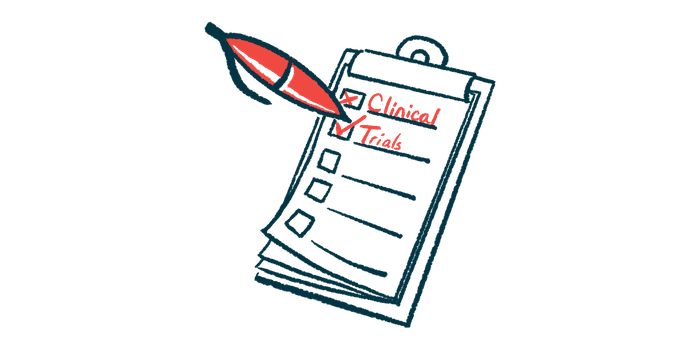
The International Myeloma Foundation has started a first-of-its-kind national clinical research network aiming to expand access to clinical trials and improve care for people with myeloma.
The new U.S. Myeloma Network (USMN) aims to bring together academic centers and community oncology practices, along with drug developers, to streamline the process of running clinical trials in myeloma. The goal is to make it easier for developers to run clinical studies to facilitate therapy approvals and improve care, as well as make it easier for patients to access cutting-edge treatment advances.
“The future of myeloma depends on our ability to bring scientific innovation to patients more quickly and more equitably,” S. Vincent Rajkumar, MD, chairperson of the International Myeloma Foundation and a professor of medicine at Mayo Clinic, said in a foundation press release.
The new network “creates an unprecedented opportunity to unite investigators across the country through a coordinated research infrastructure that accelerates clinical trials, expands patient participation, and advances the discoveries that will ultimately lead to the prevention—and one day the cure—of multiple myeloma,” Rajkumar said.
Reaching more patients
Myeloma is a form of blood cancer that grows in the bone marrow. Although treatments are available, they don’t work for everyone, and they often cause side effects and carry risks of major safety issues.
Clinical trials are rigorously designed studies with human participants. They are the gold standard for testing whether new treatment regimens work and for evaluating new strategies to make treatment safer and easier for patients. Traditionally, trials have largely been limited to large academic centers — meaning that only patients who could reach these centers for care could access cutting-edge experimental treatments.
By expanding access to trials, the USMN aims to make myeloma drug development more equitable. The network is launching with a commitment to ensuring that patients are able to understand and confidently participate in trials through thoughtful engagement with communities and proactive work to connect with populations that have historically had limited access to trials.
“Every breakthrough in myeloma begins with a patient who participates in research,” said Heather Cooper Ortner, president and CEO of the International Myeloma Foundation. “The US Myeloma Network is designed to ensure that more patients have that opportunity regardless of where they live. By making clinical research more accessible, more collaborative, and more inclusive, we will accelerate scientific discovery, bring promising therapies to patients faster, and move closer to preventing and curing this disease.”
Joining the network as the first official industry partner is Johnson & Johnson, which markets and develops a range of myeloma therapies.
“Johnson & Johnson is proud to support the International Myeloma Foundation’s US Myeloma Network as its first industry collaborator,” said Imran Khan, MD, PhD, vice president of U.S. hematology medical affairs at Johnson & Johnson. “At Johnson & Johnson, our ambition is to move closer to a future where multiple myeloma can be cured. Collaborations like this help advance the research and insights needed to accelerate progress toward that goal and improve outcomes for patients with multiple myeloma.”
Also supporting the network is Sarah Cannon Development Innovations, the oncology contract research organization of the Sarah Cannon Research Institute (SCRI), which specializes in running and managing clinical trials for experimental cancer therapies.
“The US Myeloma Network and SCRI share a common goal: expand access to innovative clinical research and bring promising therapies to patients faster,” said Marcy Vallone, senior vice president of Sarah Cannon Development Innovations. “Together, we are creating more opportunities for patients, helping advance the next generation of therapies for multiple myeloma.”


Leave a comment
Fill in the required fields to post. Your email address will not be published.