I am the multiple myeloma hero in the mirror, and you are, too
I did not choose cancer, but I can choose how I respond to it
Written by |
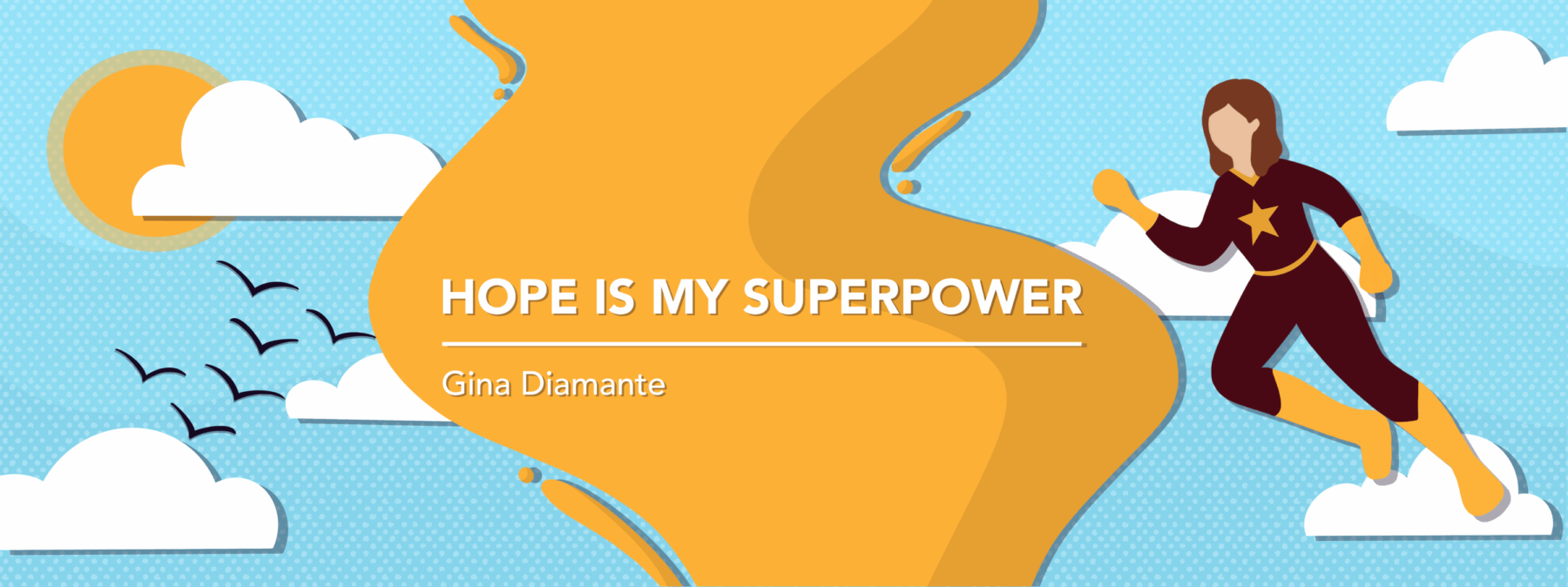
I don’t think it’s any secret that I have a thing for heroes, super-powered or otherwise. Just look at the artwork for this column!
We meet lots of heroes in our multiple myeloma journey, starting with our family caregivers who see the best and worst of us. Then there are the doctors who direct our care and the nurses who make it happen. There are the phlebotomists who try to make our regular lab visits a little less unpleasant, along with the counselors and support group leaders who give us a place to voice our littlest aggravations and deepest fears.
There are the heroes we may never meet — the clinical trial researchers looking for a cure and the fundraisers who campaign for the money to pay for that research.
And then there’s the hero each of us sees every single day — right in our mirrors.
What is a hero?
You might not see that in your own mirror. You might tell me, “I’m no hero! I just have cancer.” Or maybe you think, “I’m too scared to be a hero!”
A hero may be defined as “a person who shows great courage,” but I recently came across a different definition from the creator of one of my favorite graphic novel series, “Elfquest.” It’s the story of an elf tribe called the Wolfriders, led by their chief Cutter. In a Facebook post, artist Wendy Pini described what makes Cutter a hero: “His ‘oh, well…’ Anytime he’s faced with a situation he knows is going to hurt, but there’s a chance that enduring it will somehow save the day… he just lets go and does it.”
That description resonated with me. That feeling of “Oh, well” is familiar, especially in dealing with insurance paperwork problems or annoying side effects. I could get angry about them. I have gotten angry about them. But that only seems to raise my blood pressure.
Pini wrote, “Comes a point where you just have to shrug and do the thing. Cutter always does that. And that’s what makes him my kind of hero.”
Sometimes all any of us can do is “shrug and do the thing,” whether it’s another bone marrow biopsy or another round of treatment or just taking a day of rest.
Being brave without feeling very brave
What Pini describes is acceptance — understanding that sometimes the only way out is through. This is a theme of “How We Learn to Be Brave,” by Mariann Edgar Budde, who calls accepting things we did not choose “one of the most courageous decisions we make, and the most difficult.”
Budde refers to Gandalf’s wisdom from “The Lord of the Rings” about living in perilous times: “All we have to decide is what to do with the time that is given us.”
This also resonated with me. I certainly did not choose cancer — who would? But I can choose how I respond to it. I may not always respond well, mind you! But heroes aren’t perfect. Even Superman has his kryptonite.
‘Oh, well’ doesn’t mean ‘I surrender’
Budde writes, “Accepting what we do not choose invariably means making peace with suffering.” It’s what Pini notes about her elf hero, Cutter; if his pain will save his tribe, he’ll choose pain.
That’s a hard one for me. I don’t know that I can make peace with suffering as much as I can resign myself to the fact that it sometimes comes with the territory. I haven’t come to the state Robert Frost wrote about in his poem “Acceptance:”
“Now let the night be dark for all of me.
Let the night be too dark for me to see
Into the future. Let what will be be.”
I want to see into the future. I want to live into that future, and into a cure. Until we get it, I know I live with the sword of potential relapse over my head. But again, it comes with the territory.
After all, the hero’s journey is not an easy one.
Note: Rare Cancer News is strictly a news and information website about the disease. It does not provide medical advice, diagnosis, or treatment. This content is not intended to be a substitute for professional medical advice, diagnosis, or treatment. Always seek the advice of your physician or other qualified health provider with any questions you may have regarding a medical condition. Never disregard professional medical advice or delay in seeking it because of something you have read on this website. The opinions expressed in this column are not those of Rare Cancer News or its parent company, Bionews, and are intended to spark discussion about issues pertaining to rare cancer.

Thomas McKay
In MM support groups, here, and elsewhere I can always learn and draw encouragement and inspiration from Gina's shares, comments, and attitude. Thanks, Gina.