
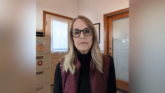
Cindy Capps, an RRMM caregiver advocate, shares how learning about treatment options and staying organized helped her navigate complex care decisions.
Transcript
Knowledge and organization. Knowing as much as you can about treatment options, knowing this is a very complicated disease.
It’s not a tumor that they can just take out and then you’re done — like my breast cancer was.
It’s very complicated, it shows itself in different ways, side effects are different, treatment options are different. The differing bone involvement versus kidney involvement. All of the things are very different.
So just knowing absolutely as much as we can about the disease, about the different treatment options. Knowing the difference between CAR-T and a stem cell transplant. Knowing the three different primary drugs that are usually used versus a four drug regimen. Or just knowing as much as you can. Knowledge really is power.
And then organization. I used to keep a spreadsheet with all of my husband’s numbers and would track all the data.
I’d see when the trends were changing and sometimes those would go up and down, and if you saw that over the course of time, then you kind of knew, OK, it’s going to settle back down.
And now with the portals that we use, those track it for me. I don’t have to do that anymore. And they have a spot where you can click on trends. So I know that if his creatinine levels is a little bit higher this time and I can go back and look at the trends, and go oh, well, it’s been up and down, up and down, and then you don’t panic.