
Round 2: Your guide to
pushing back at RRMM
Effective management of relapsed or refractory multiple myeloma (RRMM) requires an understanding how relapse changes your treatment options, knowing the right questions to ask, and building a coordinated care team. Explore our practical guidance and tools to help you navigate RRMM care at every step.



RRMM care extends beyond treatment decisions — it also involves building a team that supports your medical, emotional, and day-to-day needs. A well-rounded care team can help guide complex choices, manage symptoms, and provide steady support as your care evolves.

Talking with family and friends about RRMM can help build understanding and strengthen your support system. By choosing what to share and approaching conversations with intention, you can foster meaningful support while helping loved ones better navigate the realities of your diagnosis alongside you.

Starting or changing treatment for RRMM can bring many questions about effectiveness, side effects, and daily impact. Knowing what to ask your doctor can help you better understand your options, personalize your care plan, and make treatment decisions with greater confidence.

RRMM treatment plans may need to change over time as the disease evolves, side effects emerge, or new options become available. Advocating for treatment adjustments can support shared decision-making and help ensure your care continues to align with your needs, goals, and quality of life.

Living with RRMM often means revisiting treatment decisions as your care evolves. Seeking a second opinion can offer valuable perspective, helping you better understand your options, confirm your care plan, and move forward with greater confidence.
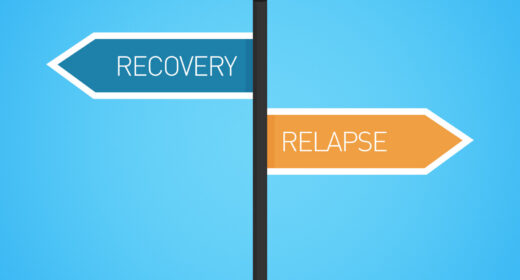
Relapsed or refractory multiple myeloma happens when the cancer returns or no longer responds to treatment, often requiring a new approach. Working closely with your care team can help you choose the right strategy at each stage.